

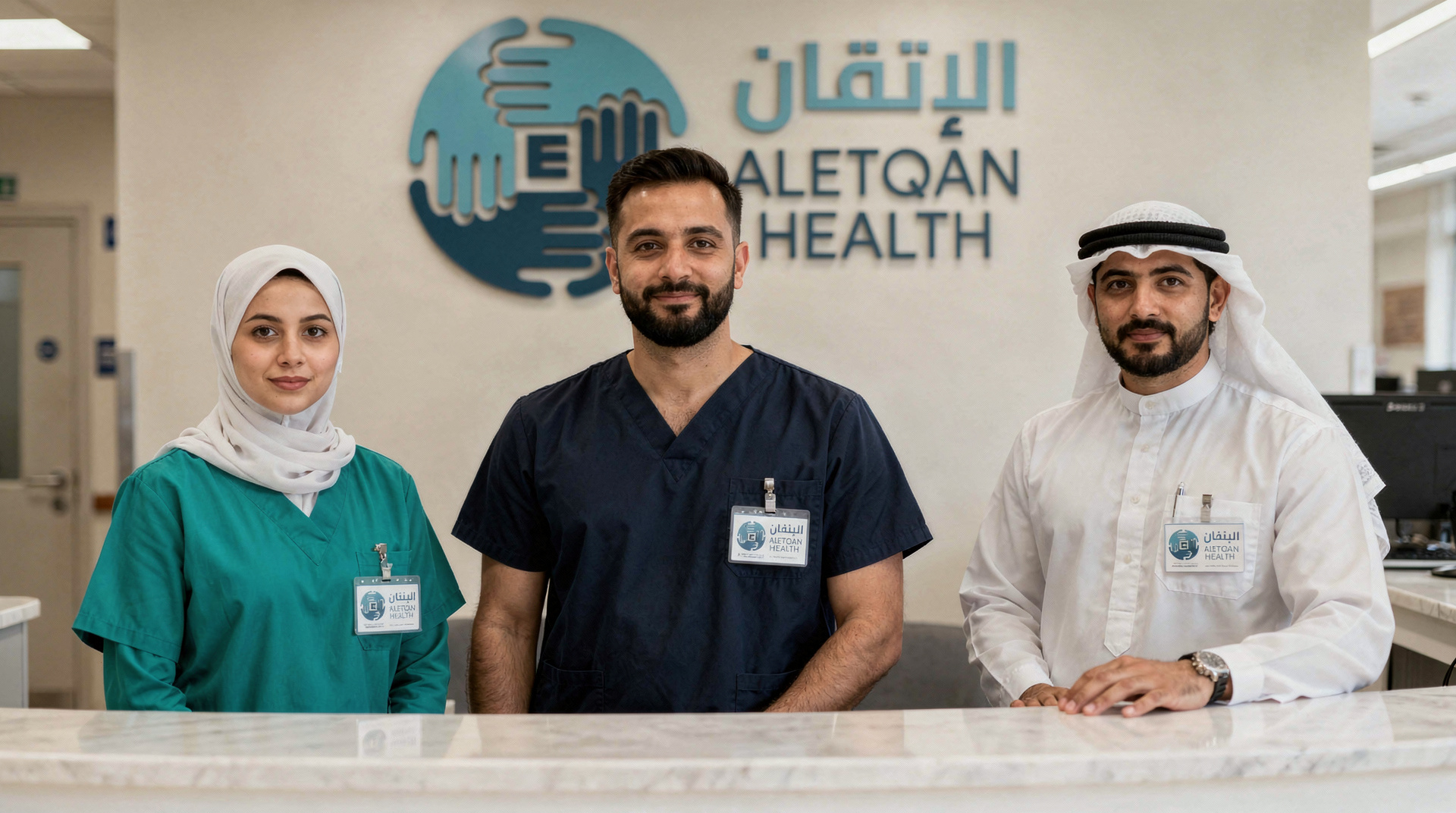
Navigating Quality Health Care in Saudi Arabia: What to Expect
Saudi Arabia has undergone remarkable transformation in healthcare delivery over the past decade. The Kingdom’s Vision 2030 initiative has positioned quality health care as a cornerstone of national development, creating opportunities and challenges for both residents and international visitors seeking medical treatment.
Understanding what constitutes quality health care Saudi Arabia requires examining multiple dimensions. These include infrastructure development, technological integration, and cultural adaptation within the healthcare framework. The system combines traditional medical practices with cutting-edge technology, creating a unique healthcare landscape.
For many seeking medical care in the region, expectations often differ from reality. The healthcare system operates within specific cultural and regulatory frameworks that influence patient experiences significantly. Navigating these nuances becomes crucial for anyone planning medical treatment or long-term healthcare management in the Kingdom.
The Patient Experience in Saudi Arabia: Beyond the Surface
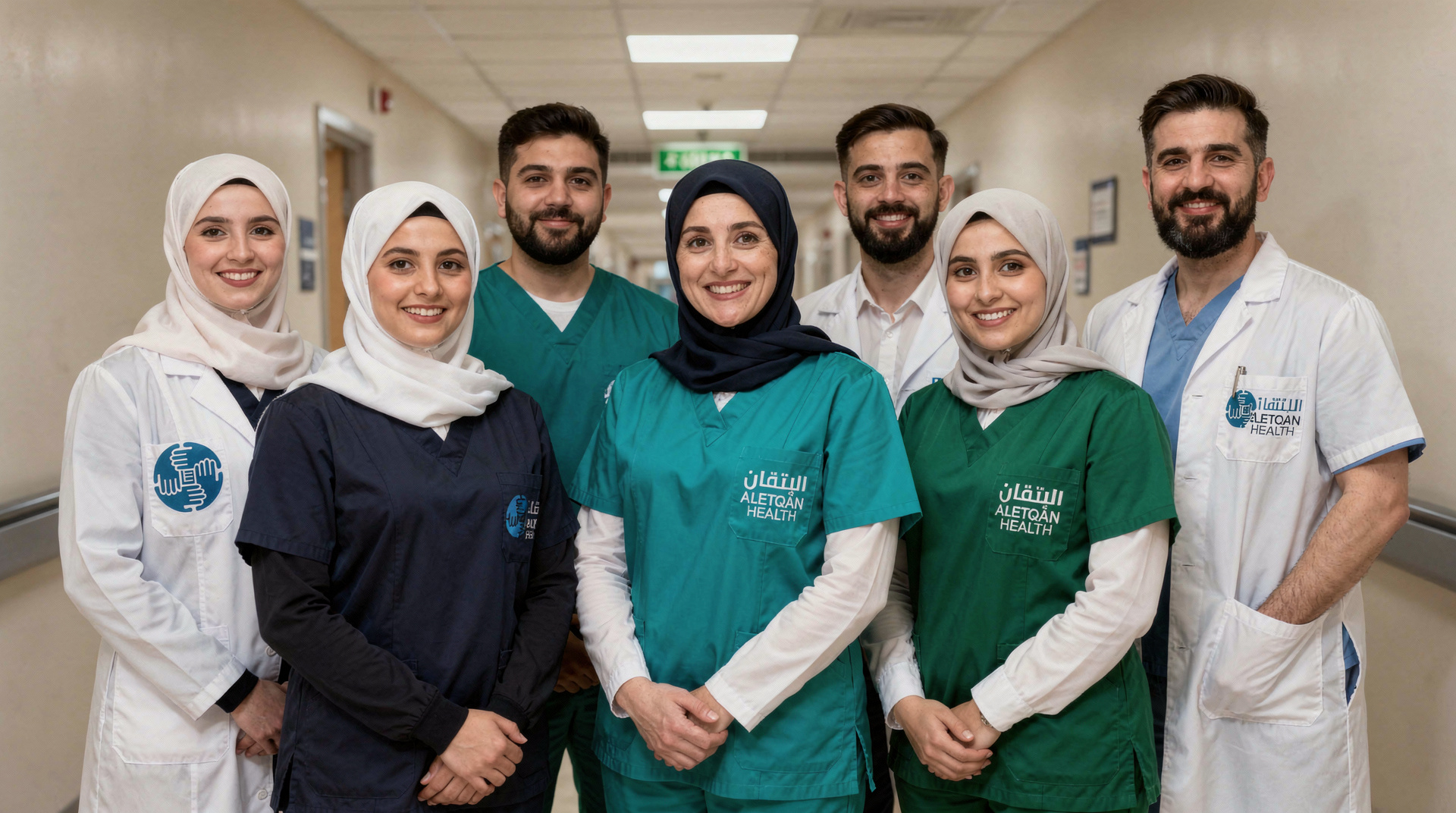
Patient care in Saudi Arabia reflects a complex blend of modern medical excellence and traditional hospitality. Private healthcare facilities often exceed international standards, offering personalized attention that rivals top-tier medical centers worldwide. The experience typically begins with comprehensive intake procedures that prioritize patient comfort and cultural sensitivity.
Wait times vary significantly between public and private facilities. Private hospitals frequently offer same-day appointments for non-emergency consultations. Public hospitals, while providing excellent specialized care, may require longer scheduling periods. Emergency services maintain consistent high standards across both sectors, with response times meeting international benchmarks in major cities.
“The level of personalized attention we receive here often surprises international patients. Staff members go beyond medical requirements to ensure cultural and personal comfort throughout treatment.”
— Dr. Ahmad Khalil, Patient Relations Coordinator at King Fahd Medical City
Language barriers present minimal challenges in major healthcare facilities. Most medical professionals speak English fluently, and translation services are readily available. Medical documentation is typically provided in both Arabic and English, ensuring clear communication throughout treatment processes.
The integration of traditional Islamic values into modern medical practice creates unique patient experiences. Prayer times are accommodated within treatment schedules. Gender-specific care options are available when requested. Dietary restrictions are automatically considered in meal planning and medication administration.
Tipp: International patients should inquire about cultural liaison services when scheduling appointments, as these can significantly enhance the overall treatment experience.
Follow-up care demonstrates particular strength in Saudi healthcare delivery. Patients receive detailed post-treatment instructions, often accompanied by digital resources accessible through mobile applications. Telemedicine options have expanded rapidly, allowing continued consultation without physical visits to healthcare facilities.
Navigating the Saudi Healthcare System: A Foreigner’s Guide
The Saudi healthcare system operates through multiple channels that foreigners must understand for effective navigation. Government-sponsored healthcare covers Saudi nationals and certain expatriate categories. Private insurance becomes essential for most international residents and visitors seeking comprehensive medical coverage.
Registration processes differ between healthcare providers. Public hospitals require specific documentation including residency permits, employment verification, and insurance authorization. Private facilities typically streamline these requirements, accepting international insurance directly and offering self-pay options for immediate treatment.
Appointment scheduling varies by facility type and specialization. Specialists in cardiology, oncology, and orthopedics often require referrals from general practitioners. Emergency departments operate 24/7 without appointment requirements. Dental and cosmetic procedures typically offer flexible scheduling through direct booking systems.
- Documentation Requirements. Valid passport, visa, and insurance cards are mandatory for all healthcare interactions.
- Payment Methods. Credit cards, cash, and direct insurance billing are widely accepted across healthcare facilities.
- Prescription Access. Pharmacies require prescriptions for controlled medications, while over-the-counter drugs remain readily available.
Geographic location significantly impacts healthcare access quality. Riyadh and Jeddah offer the most comprehensive medical services, including specialized treatments unavailable in smaller cities. Rural areas maintain basic healthcare services with referral systems to major medical centers when advanced care is required.
Stand: Januar 2026 — The Ministry of Health has implemented digital health records accessible across all major healthcare providers, simplifying transitions between different medical facilities.
Where They Fall Short: Limitations of Health Care in Saudi Arabia
Despite significant improvements, certain limitations persist within the Saudi healthcare system. Specialized mental health services remain underdeveloped compared to physical medicine. Long-term psychiatric care and addiction treatment programs are limited, particularly outside major urban centers.
Rural healthcare access presents ongoing challenges. While basic medical services are available, complex procedures often require travel to major cities. Transportation costs and accommodation expenses can create financial barriers for patients from remote areas seeking specialized treatment.
Bureaucratic processes occasionally slow treatment progression. Insurance pre-approvals for certain procedures may require extended waiting periods. Documentation requirements can become cumbersome, particularly for complex international insurance arrangements or emergency situations requiring immediate intervention.
“We’re continuously working to streamline administrative processes, but cultural and regulatory requirements sometimes create delays that impact patient satisfaction.”
— Sarah Al-Rashid, Healthcare Administration Specialist
Language barriers persist in smaller healthcare facilities. While major hospitals maintain multilingual staff, rural clinics may lack English-speaking personnel. This limitation particularly affects expatriate communities living outside metropolitan areas.
Preventive care programs, while improving, still lag behind therapeutic services. Health screening initiatives and community wellness programs require expansion to match international standards for population health management.
Adapting to the Desert Climate: Health Care Challenges and Solutions
The extreme desert climate of Saudi Arabia creates unique healthcare considerations that medical facilities have adapted to address. Heat-related illnesses peak during summer months, requiring specialized emergency protocols and prevention education programs throughout healthcare systems.
Dehydration presents the most common climate-related health challenge. Healthcare facilities maintain enhanced hydration protocols, particularly for elderly patients and outdoor workers. Emergency departments stock specialized electrolyte solutions designed for rapid rehydration in extreme heat conditions.
Air quality management becomes crucial during sandstorm seasons. Hospitals implement filtration systems that maintain clean air environments. Respiratory care units expand capacity during peak sandstorm periods to accommodate increased patient volumes with breathing difficulties.
Vitamin D deficiency, paradoxically common despite abundant sunlight, receives targeted attention. Healthcare providers routinely screen for deficiency and provide supplementation programs. Cultural dress codes that limit sun exposure contribute to this health concern across diverse population groups.
- Heat Stroke Prevention. Public health campaigns educate residents about recognizing early symptoms and seeking immediate medical attention.
- Skin Protection Programs. Dermatology services emphasize skin cancer prevention and provide specialized treatments for sun-related skin damage.
- Respiratory Health Monitoring. Enhanced air quality monitoring systems alert healthcare facilities to prepare for increased respiratory patient admissions.
Seasonal healthcare planning accommodates climate variations. Staffing levels increase during extreme weather periods. Medication storage protocols ensure drug efficacy despite temperature fluctuations. Ambulance services maintain climate-controlled vehicles for patient transport during harsh weather conditions.
Weiterlesen:Understanding Heat-Related Health Risks in Desert Climates
Technological Advancements in Saudi Health Care: A Leap Forward
Health care technology Saudi Arabia has experienced unprecedented advancement through substantial government investment and international partnerships. Artificial intelligence integration in diagnostic procedures has reduced error rates and improved treatment precision across major medical centers.
Telemedicine platforms expanded rapidly, particularly following global health challenges that required remote consultation capabilities. Patients now access specialist consultations from remote locations, reducing travel requirements and improving healthcare accessibility for rural populations.
Electronic health records systems connect major healthcare providers, enabling seamless information sharing between hospitals, clinics, and specialist centers. This integration eliminates duplicate testing and ensures comprehensive medical history access during emergency treatments.
Robotic surgery programs have been implemented in leading hospitals, offering minimally invasive procedures with enhanced precision. Cardiac surgery, orthopedic procedures, and cancer treatments benefit from robotic assistance, resulting in reduced recovery times and improved patient outcomes.
Mobile health applications provide patients with appointment scheduling, prescription refill requests, and direct communication with healthcare providers. These platforms support multiple languages and accommodate cultural preferences for healthcare communication.
Stand: Januar 2026 — The NEOM healthcare project promises to introduce revolutionary medical technologies, including AI-powered diagnostic centers and personalized medicine programs based on genetic profiling.
Medical imaging technology rivals international standards, with advanced MRI, CT, and PET scanning capabilities available in major healthcare facilities. 3D printing applications support custom prosthetics and surgical planning, particularly benefiting orthopedic and reconstructive surgery departments.
Cultural Considerations in Health Care: Understanding Saudi Norms
Cultural sensitivity forms the foundation of healthcare delivery throughout Saudi Arabia. Understanding these cultural norms enhances patient experiences and ensures respectful medical treatment for all individuals seeking care within the Kingdom.
Gender considerations significantly influence healthcare delivery structures. Many facilities provide separate entrances and waiting areas for male and female patients. Female patients often prefer female healthcare providers when possible, and hospitals accommodate these preferences through dedicated women’s health centers.
Religious observances integrate seamlessly with medical treatment schedules. Prayer times are respected during non-emergency procedures. Hospital rooms face Mecca when architecturally feasible. Halal dietary options are standard across all healthcare facilities, with specialized nutrition programs for patients with specific religious dietary requirements.
Family involvement in healthcare decisions reflects traditional Saudi values. Medical consultations often include extended family members, particularly for elderly patients or serious medical conditions. Healthcare providers accommodate larger family groups during visiting hours and treatment discussions.
- Modesty Requirements. Medical gowns and examination procedures respect cultural modesty standards while maintaining medical safety and effectiveness.
- Language Preferences. Arabic-speaking healthcare providers are available for patients who prefer medical discussions in their native language.
- Spiritual Support. Hospital chaplain services provide religious guidance and spiritual comfort during medical treatment and recovery periods.
End-of-life care incorporates Islamic principles while providing comprehensive palliative medicine. Families receive support for religious rituals and cultural practices during difficult medical situations. Healthcare providers receive cultural competency training to ensure respectful care delivery across diverse patient populations.
Pharmaceutical considerations account for religious restrictions on certain medication ingredients. Alternative formulations are available when standard medications conflict with religious dietary laws. Healthcare providers maintain awareness of these requirements during prescription processes.
Tipp: International patients should communicate cultural or religious preferences during initial medical consultations to ensure healthcare providers can accommodate specific needs throughout treatment.
— Mit Informationen von Ministry of Health Saudi Arabia and International Healthcare Quality Consortium
