

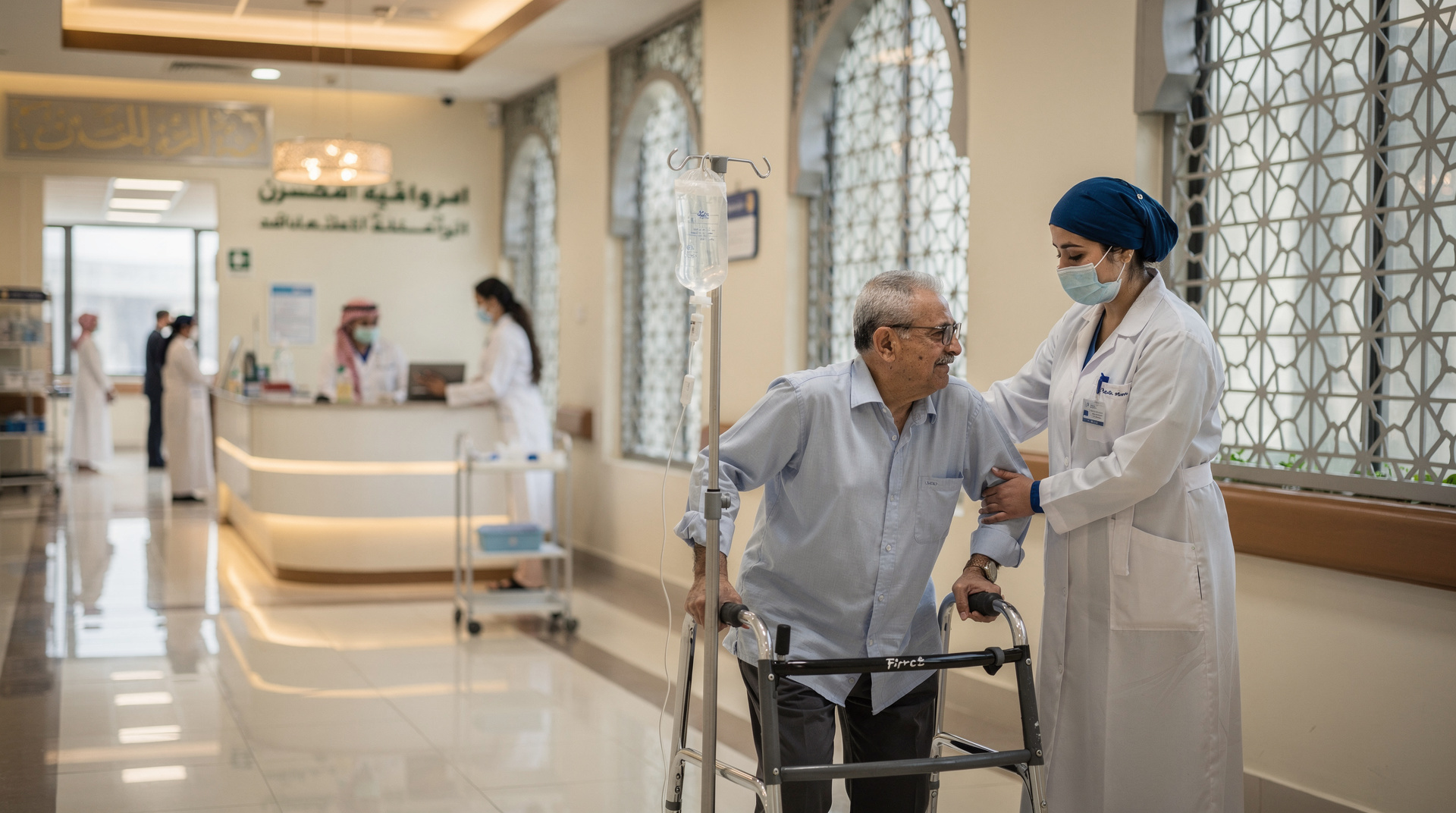
Professional Nursing Care in Jeddah: A Comprehensive Guide
Introduction to Nursing Care in Jeddah
The Importance of Professional Nursing
Professional nursing care represents the cornerstone of modern healthcare delivery. The Kingdom of Saudi Arabia has invested significantly in developing world-class medical infrastructure, with Jeddah emerging as a leading healthcare hub in the region. Quality nursing care extends far beyond basic medical tasks. It encompasses comprehensive patient assessment, medication management, wound care, and emotional support. Professional nurses bring specialized training and clinical expertise that can make the difference between recovery and prolonged illness.
Key fact: The Saudi Ministry of Health reports that professional nursing interventions reduce hospital readmission rates by up to 30% when properly implemented.
The demand for professional nursing care jeddah has grown substantially in recent years. This growth reflects an aging population, increased awareness of healthcare quality, and expanding medical tourism in the region.
Overview of Nursing Care Services in Jeddah
Jeddah’s healthcare landscape offers diverse nursing care options across multiple settings. Private hospitals, government facilities, and independent nursing agencies provide comprehensive services tailored to different patient needs. The city hosts several internationally accredited healthcare institutions. King Abdulaziz University Hospital, Dr. Soliman Fakeeh Hospital, and International Medical Center represent just a few facilities maintaining rigorous nursing standards.
“The nursing profession in Jeddah has evolved tremendously over the past decade, with increased focus on evidence-based practice and patient-centered care.”
— Dr. Sarah Al-Rashid, Director of Nursing, King Abdulaziz Medical City
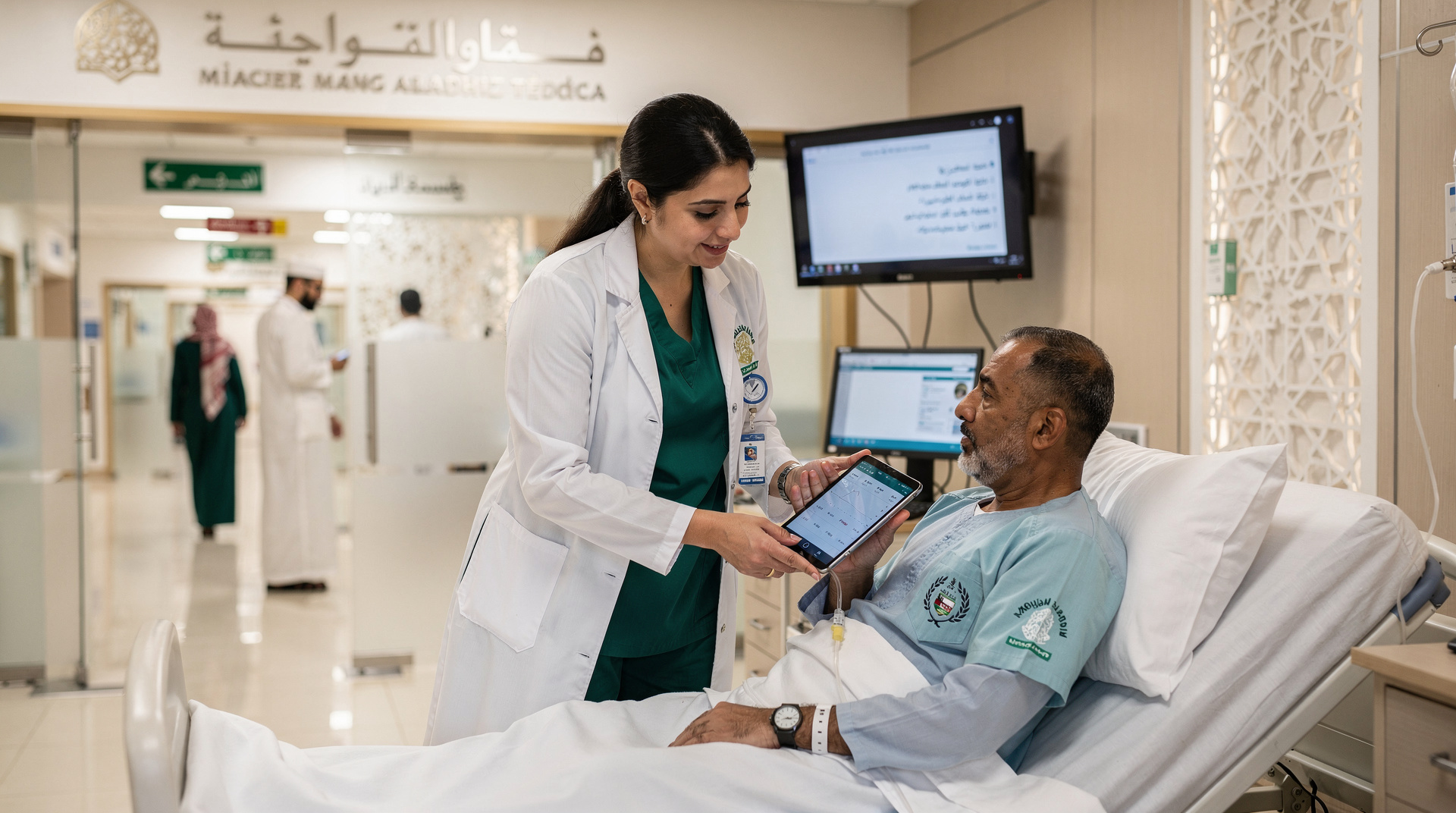
Modern nursing care in Jeddah integrates advanced technology with traditional patient advocacy. Electronic health records, telemedicine capabilities, and mobile health applications enhance care coordination and patient outcomes.
Types of Professional Nursing Care Services
Home Nursing Care
Home nursing care has transformed healthcare delivery for countless families across Jeddah. This service brings professional medical expertise directly to patients’ homes, eliminating the stress and inconvenience of frequent hospital visits. Qualified nurses provide comprehensive medical care in familiar surroundings. Services include medication administration, wound care, IV therapy, and post-surgical recovery support. Many patients experience faster healing when receiving care in comfortable, familiar environments.
- Medical procedures. Blood draws, injections, catheter care, and dressing changes performed with hospital-grade standards.
- Chronic disease management. Diabetes monitoring, blood pressure checks, and medication compliance support.
- Post-operative care. Surgical site monitoring, pain management, and recovery progress assessment.
- Rehabilitation support. Physical therapy assistance and mobility training.
The convenience factor cannot be overstated. Elderly patients and those with mobility limitations benefit enormously from receiving professional care at home. Family members also appreciate the reduced burden of transportation and waiting times.
Specialized Nursing Services
Specialized nursing services address complex medical conditions requiring advanced clinical expertise. These services often bridge the gap between hospital care and routine medical management. Critical care nurses provide intensive monitoring for patients with serious conditions. Cardiac nurses specialize in heart-related conditions, while oncology nurses focus on cancer care. Pediatric nurses bring expertise in child-specific medical needs.
Weiterlesen:Advanced Cardiac Care Services in Jeddah
Mental health nursing has gained particular recognition in recent years. These professionals provide crucial support for patients dealing with depression, anxiety, and other psychological conditions. Their training combines medical knowledge with counseling skills. Wound care specialists represent another growing field. These nurses possess advanced training in treating complex wounds, diabetic ulcers, and post-surgical complications. Their expertise can prevent serious complications and reduce healing time significantly.
Elderly Nursing Care
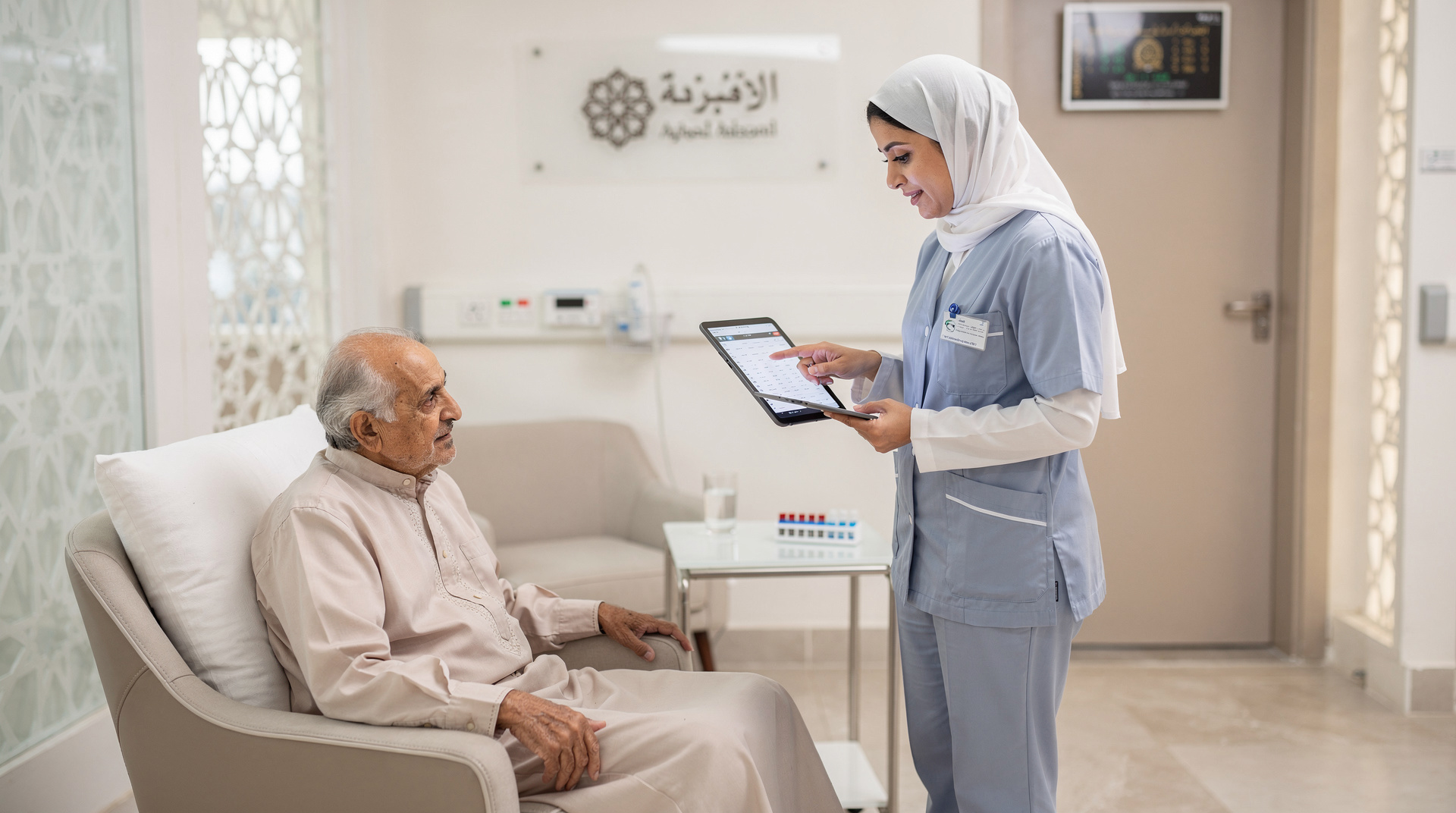
Elderly nursing care addresses the unique challenges faced by aging populations. Saudi Arabia’s demographic shift toward an older population has increased demand for geriatric nursing expertise. Geriatric nurses understand age-related physiological changes and their impact on health management. They excel at managing multiple chronic conditions simultaneously while maintaining patient dignity and independence.
“Elderly nursing care requires a delicate balance of medical expertise and compassionate understanding of the aging process.”
— Fatima Al-Zahra, Certified Geriatric Nurse Practitioner
Memory care represents a specialized subset of elderly nursing. Nurses trained in dementia care provide structured support for patients with Alzheimer’s disease and related conditions. They implement safety protocols while preserving patient autonomy wherever possible.
Choosing the Right Nursing Care Provider
What to Look For in a Nursing Care Provider
Selecting the right nursing care provider requires careful evaluation of multiple factors. Professional credentials represent the foundation of quality care, but other elements contribute significantly to patient outcomes. Licensing and certification status should be verified through the Saudi Commission for Health Specialties. All practicing nurses must maintain current licenses and complete continuing education requirements. Ask to see documentation of these credentials. Experience levels vary significantly among nursing professionals. Nurses with specialized training in relevant conditions often provide superior care. For example, diabetic patients benefit from nurses experienced in endocrine disorders.
- Professional qualifications. Verify nursing degrees, specialized certifications, and continuing education compliance.
- Experience relevance. Ensure the nurse has experience with similar medical conditions or patient populations.
- Communication skills. Assess the nurse’s ability to explain medical concepts clearly and listen to patient concerns.
- Cultural sensitivity. Confirm understanding of local customs and religious considerations.
Insurance acceptance and billing practices affect long-term care relationships. Clarify payment structures, insurance coverage, and any additional fees upfront to avoid misunderstandings.
Questions to Ask Potential Providers
Preparing specific questions helps evaluate potential nursing care providers effectively. These conversations reveal important details about care philosophy and practical considerations. Start with basic qualification questions. How long has the nurse been practicing? What specialized training have they completed? Can they provide references from recent patients or healthcare providers? Service availability questions address practical concerns. What hours are available? How do they handle emergency situations? What backup coverage exists if the primary nurse becomes unavailable?
Tipp: Request a trial period or initial consultation to assess compatibility before committing to long-term care arrangements.
Communication preferences vary among patients and families. Some prefer detailed medical explanations, while others want simplified summaries. Discuss these preferences during initial meetings to ensure good matches.
Benefits of Professional Nursing Care
Improving Patient Outcomes
Professional nursing care consistently demonstrates measurable improvements in patient health outcomes. Evidence-based nursing practices reduce complications, shorten recovery times, and enhance overall quality of life. Medication management represents one area where professional expertise makes significant differences. Nurses trained in pharmacology can identify potential drug interactions, monitor side effects, and ensure proper dosing schedules. These interventions prevent serious complications. Early problem identification constitutes another crucial benefit. Experienced nurses recognize subtle changes in patient condition that might escape untrained observers. This early warning system enables prompt medical intervention when needed. Patient education empowers individuals to participate actively in their healthcare. Professional nurses excel at explaining complex medical concepts in understandable terms. They teach patients to recognize warning signs and implement self-care strategies effectively.
Support for Families
Professional nursing care provides invaluable support for family members caring for ill or elderly relatives. The emotional burden of caregiving can overwhelm even the most dedicated families. Respite care allows family caregivers to rest, work, or attend to other responsibilities. Knowing that a qualified professional is providing care reduces anxiety and stress significantly. This support helps prevent caregiver burnout. Training and guidance help family members provide better care during nurses’ absence. Professional nurses teach proper techniques for basic care tasks, medication administration, and emergency response procedures.
Personalized Care Plans
Professional nurses develop individualized care plans addressing each patient’s specific needs and preferences. These comprehensive plans consider medical conditions, personal goals, and family dynamics. Regular assessment and plan updates ensure care remains relevant as conditions change. Nurses monitor patient progress and adjust interventions accordingly. This flexibility optimizes outcomes while respecting patient autonomy.
Stand: Januar 2026 — Current nursing practice standards emphasize person-centered care approaches that honor individual preferences and cultural values.
Legal and Ethical Considerations
Patient Rights in Jeddah
Patient rights in Saudi Arabia are protected under comprehensive healthcare regulations. The Ministry of Health establishes clear guidelines governing patient care, privacy protection, and informed consent procedures. Privacy and confidentiality represent fundamental patient rights. All medical information must be protected according to strict confidentiality standards. Patients control who receives information about their condition and treatment. Informed consent requirements ensure patients understand proposed treatments and alternatives. Nurses play crucial roles in explaining procedures, answering questions, and documenting patient decisions. This process protects both patients and healthcare providers. The right to refuse treatment remains protected even when healthcare providers disagree with patient decisions. Nurses must respect these choices while providing appropriate information about potential consequences.
Ethical Standards in Nursing Care
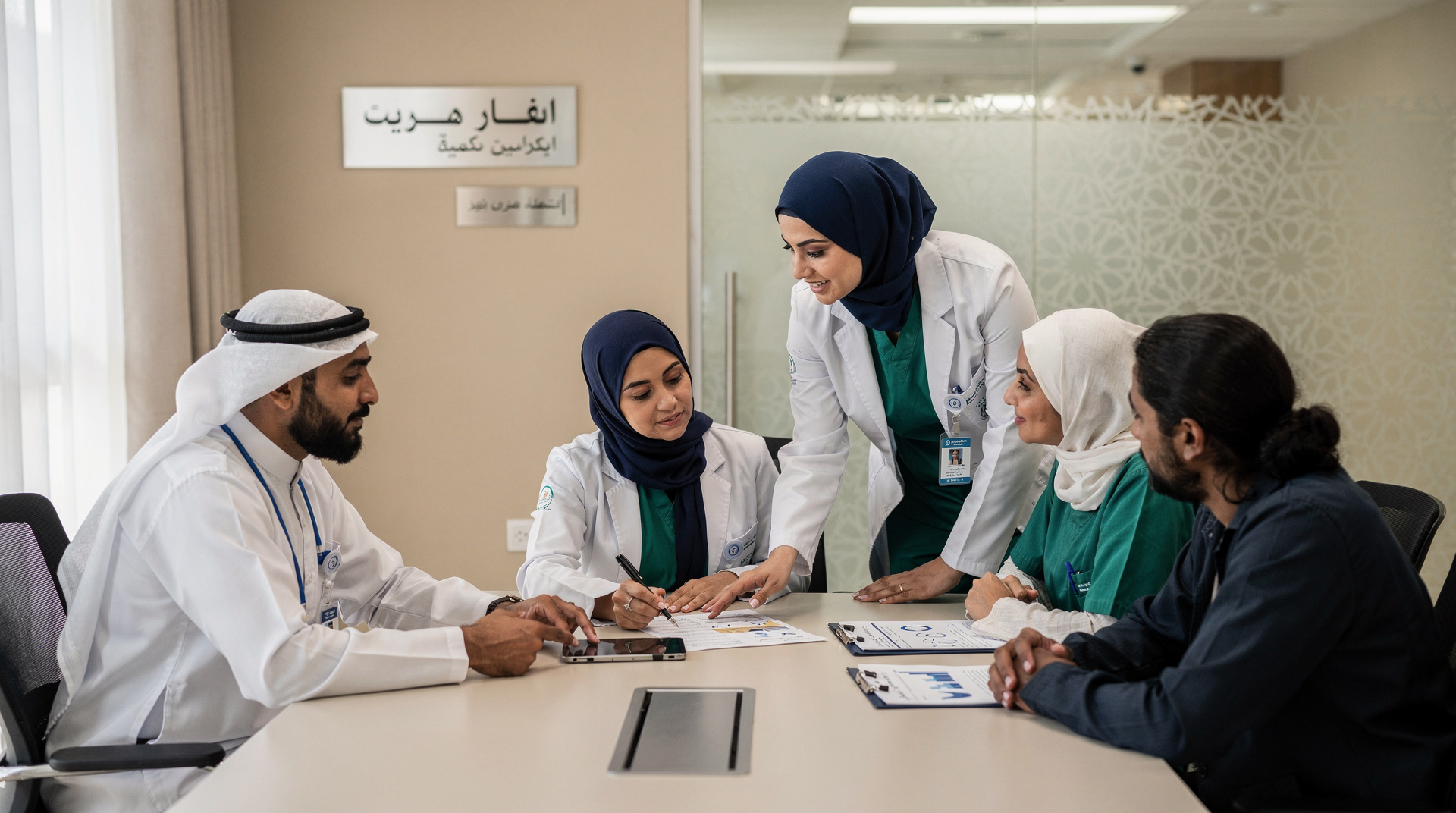
Professional nursing ethics guide decision-making in complex healthcare situations. The Saudi Nursing Association maintains ethical standards aligned with international best practices. Beneficence and non-maleficence principles require nurses to act in patients’ best interests while avoiding harm. These principles sometimes conflict, requiring careful ethical analysis and professional judgment. Justice and fairness ensure all patients receive appropriate care regardless of social status, financial resources, or personal characteristics. Professional nurses advocate for equitable treatment across diverse patient populations.
“Ethical nursing practice requires constant reflection on our actions and their impact on patient welfare and dignity.”
— Professor Ahmed Al-Mansouri, Director of Nursing Ethics, King Saud University
Finding and Funding Nursing Care in Jeddah
Insurance Coverage and Costs
Understanding insurance coverage for professional nursing care helps families make informed financial decisions. Coverage varies significantly between insurance providers and policy types. Government employees typically receive comprehensive healthcare coverage through the Ministry of Health insurance system. This coverage often includes home nursing care for qualifying conditions and circumstances. Private insurance policies vary in nursing care coverage. Some policies cover home nursing for post-surgical recovery or chronic disease management. Others limit coverage to specific conditions or time periods.
- Government insurance. Comprehensive coverage for qualifying conditions through Ministry of Health programs.
- Private insurance. Variable coverage depending on policy terms and provider networks.
- Self-pay options. Direct payment arrangements with nursing agencies or individual practitioners.
- Corporate benefits. Some employers provide enhanced healthcare benefits including nursing care coverage.
Cost structures for nursing care services reflect factors including nurse qualifications, service complexity, and duration of care. Specialized nursing services typically cost more than basic care assistance.
Government and Private Support Options
Government support programs assist families needing professional nursing care but lacking adequate insurance coverage. The Ministry of Health operates several programs targeting vulnerable populations. The Elderly Care Initiative provides subsidized nursing services for senior citizens meeting specific criteria. This program recognizes the growing need for geriatric care support in Saudi communities. Private charitable organizations also offer nursing care assistance. The King Abdulaziz Foundation and other philanthropic groups fund nursing services for qualifying families. These programs often focus on chronic disease management and disability support.
Weiterlesen:Government Healthcare Support Programs in Saudi Arabia
Community health centers throughout Jeddah provide information about available support programs. Social workers at these centers help families navigate application processes and eligibility requirements. Payment plan options make professional nursing care more accessible for families with limited resources. Many nursing agencies offer flexible payment arrangements or sliding fee scales based on financial need. International organizations operating in Saudi Arabia sometimes provide nursing care support for specific populations. These programs typically focus on refugee communities or other vulnerable groups requiring specialized assistance.
Tipp: Contact multiple agencies to compare services and costs before making final decisions about nursing care arrangements.
Professional nursing care jeddah continues evolving to meet growing community needs. The combination of advanced medical training, cultural sensitivity, and compassionate care delivery creates optimal conditions for patient recovery and family support.
— Mit Informationen von Saudi Ministry of Health, Jeddah Health Affairs Directorate, and Saudi Nursing Association
