


Understanding Palliative Care in Saudi Hospitals
Introduction to Palliative Care
What is Palliative Care?
Palliative care represents a specialized medical approach focused on improving quality of life for patients facing serious illnesses. This comprehensive care model addresses physical symptoms, emotional distress, and spiritual concerns while supporting both patients and their families throughout the treatment journey.
In Saudi hospitals, palliative care has evolved into an essential component of healthcare delivery. The approach emphasizes comfort, dignity, and holistic support rather than solely pursuing curative treatments. Medical teams work collaboratively to manage pain, alleviate symptoms, and provide psychological support tailored to each patient’s unique needs.
The World Health Organization defines palliative care as an approach that improves quality of life for patients and families facing life-threatening illness. This definition guides Saudi healthcare institutions in developing comprehensive programs that honor cultural values while delivering evidence-based medical care.
“Palliative care is not about giving up hope, but about enhancing the quality of remaining time and ensuring patients maintain their dignity throughout their journey.”
— Dr. Ahmad Al-Rashid, Director of Palliative Medicine, King Faisal Specialist Hospital
The Importance of Palliative Care
Saudi Arabia’s healthcare system recognizes palliative care as a fundamental human right. The Kingdom’s Vision 2030 emphasizes improving healthcare quality and accessibility, making palliative care services increasingly vital for comprehensive patient care.
Research demonstrates that early integration of palliative care improves patient outcomes significantly. Studies show reduced hospital readmissions, better symptom management, and enhanced family satisfaction when palliative care services are implemented effectively. These benefits align perfectly with Saudi Arabia’s commitment to delivering world-class healthcare services.
The cultural context of Saudi society adds unique dimensions to palliative care importance. Family involvement, religious considerations, and traditional healing practices must be respectfully integrated into modern medical approaches, creating a more holistic and culturally sensitive care environment.

Palliative Care Services in Saudi Hospitals
Types of Services Offered
Saudi hospitals provide comprehensive palliative care services designed to address multiple aspects of patient wellbeing. Pain management forms the cornerstone of these services, utilizing advanced pharmaceutical interventions, non-pharmacological therapies, and innovative treatment modalities.
Symptom management extends beyond pain control to include nausea, breathing difficulties, fatigue, and other distressing symptoms. Specialized medical teams employ evidence-based protocols while considering cultural preferences and religious practices that may influence treatment decisions.
- Pain and Symptom Management. Advanced protocols for controlling physical discomfort using both medical and complementary approaches.
- Psychological Counseling. Professional mental health support addressing anxiety, depression, and emotional challenges for patients and families.
- Spiritual Care Services. Islamic chaplaincy and spiritual guidance integrated with medical care to support patients’ religious needs.
- Family Support Programs. Comprehensive assistance including education, counseling, and practical support for caregiving families.
Nutritional support plays a crucial role in Saudi hospital palliative care programs. Dietitians work closely with medical teams to ensure patients receive appropriate nutrition while respecting dietary restrictions and cultural food preferences that are important to Saudi families.
How to Access Palliative Care
Accessing palliative care services in Saudi hospitals typically begins with physician referrals. Primary care doctors, specialists, or hospital staff can initiate consultations when patients would benefit from specialized comfort care approaches.
The referral process has been streamlined in major Saudi medical centers. Electronic health records facilitate communication between departments, ensuring timely access to palliative care services when needed. Most hospitals maintain dedicated palliative care teams available for consultation within 24-48 hours of referral.
Tip: Families can also request palliative care consultations directly by speaking with their healthcare team about comfort care options.
Insurance coverage through the Saudi healthcare system typically includes palliative care services. Both government-funded healthcare and private insurance plans recognize the medical necessity of these services, reducing financial barriers for patients and families seeking comprehensive care.
Emergency palliative care consultations are available in most major Saudi hospitals. When patients experience severe symptoms or distress, immediate palliative care intervention can be accessed through emergency departments or direct communication with palliative care teams.

The Role of Healthcare Professionals
Doctors and Nurses
Physicians specializing in palliative medicine lead interdisciplinary teams in Saudi hospitals. These doctors complete specialized training in pain management, symptom control, and end-of-life care while maintaining sensitivity to Islamic principles and Saudi cultural values.
Palliative care physicians work collaboratively with primary treating doctors to develop comprehensive care plans. This collaboration ensures continuity of care while adding specialized expertise in comfort management and quality-of-life enhancement for seriously ill patients.
Nursing staff in Saudi hospital palliative care programs receive specialized training in symptom assessment, medication administration, and family communication. These nurses often serve as primary points of contact for patients and families, providing continuous support and monitoring throughout the care process.
“Our nursing team serves as the bridge between medical expertise and compassionate care, ensuring patients feel heard, respected, and comfortable throughout their journey.”
— Fatima Al-Zahrani, Head Nurse, Palliative Care Unit, King Abdulaziz Medical City
Advanced practice nurses in Saudi hospitals often hold specialized certifications in palliative care. These professionals provide direct patient care, family education, and case management services while working under physician supervision to deliver comprehensive palliative care services.
Support Staff
Social workers play essential roles in Saudi hospital palliative care teams. These professionals help families navigate healthcare systems, access community resources, and address practical concerns that arise during serious illness management.
Pharmacists specializing in palliative care ensure optimal medication management for complex symptom control. They work closely with physicians to adjust dosing, manage drug interactions, and provide patient education about medication regimens tailored to individual needs.
Chaplains and Islamic spiritual care providers offer religious guidance and comfort to patients and families. These professionals understand both Islamic principles and medical contexts, helping families integrate faith perspectives with medical decision-making processes.
- Physical Therapists. Specialists who help maintain patient mobility and comfort through targeted interventions and adaptive techniques.
- Occupational Therapists. Professionals who assist patients in maintaining independence and quality of life through adaptive strategies and equipment.
- Dietitians. Nutrition specialists who ensure appropriate dietary support while respecting cultural and religious dietary requirements.
- Case Managers. Coordinators who facilitate communication between different healthcare services and help families access needed resources.
Volunteer programs in Saudi hospitals provide additional support for palliative care patients and families. Trained volunteers offer companionship, practical assistance, and emotional support while respecting cultural boundaries and religious considerations important to Saudi families.
Challenges and Solutions
Cultural Sensitivity in Care
Cultural sensitivity represents both a challenge and an opportunity in Saudi hospital palliative care. Islamic principles emphasize preserving life while also accepting Allah’s will, creating complex considerations for end-of-life care decisions that medical teams must navigate respectfully.
Family dynamics in Saudi culture often involve extended family participation in medical decisions. Palliative care teams must balance patient autonomy with family involvement while respecting traditional hierarchies and decision-making processes that may differ from Western medical approaches.
Gender considerations play important roles in Saudi palliative care delivery. Hospitals ensure appropriate gender-matched care providers when possible and maintain privacy standards that align with Islamic principles while delivering comprehensive medical care.
Language barriers can complicate palliative care delivery in Saudi hospitals serving diverse populations. Translation services and multilingual staff help ensure clear communication about complex medical concepts, treatment options, and care goals across different cultural backgrounds.
Weiterlesen:Understanding Islamic Perspectives on End-of-Life Care
Improving Palliative Care Access
Geographic disparities in palliative care access present ongoing challenges in Saudi Arabia. Urban medical centers typically offer comprehensive services, while rural areas may have limited access to specialized palliative care professionals and resources.
Telemedicine initiatives are expanding palliative care reach across Saudi Arabia. Remote consultations, digital monitoring systems, and virtual family meetings help bridge geographic gaps while maintaining quality care standards for patients unable to access major medical centers regularly.
Training programs for healthcare professionals are expanding throughout Saudi hospitals. Medical schools, nursing programs, and continuing education initiatives increasingly include palliative care competencies to build workforce capacity across the Kingdom.
Public awareness campaigns help reduce stigma associated with palliative care services. Educational initiatives emphasize that palliative care supports quality of life and comfort rather than representing abandonment of hope or treatment options.
Stand: Januar 2026 — The Saudi Ministry of Health has allocated increased funding for palliative care program expansion, including specialized training for 500 additional healthcare professionals over the next two years.
- Mobile Palliative Care Teams. Specialized units that travel to underserved areas providing direct care and professional consultation services.
- Technology Integration. Electronic health records and communication systems that facilitate coordination between different healthcare providers and locations.
- Community Partnerships. Collaborations with local organizations and religious institutions to provide culturally appropriate support services.
- Quality Improvement Initiatives. Systematic efforts to measure and enhance palliative care delivery across different hospital systems and geographic regions.
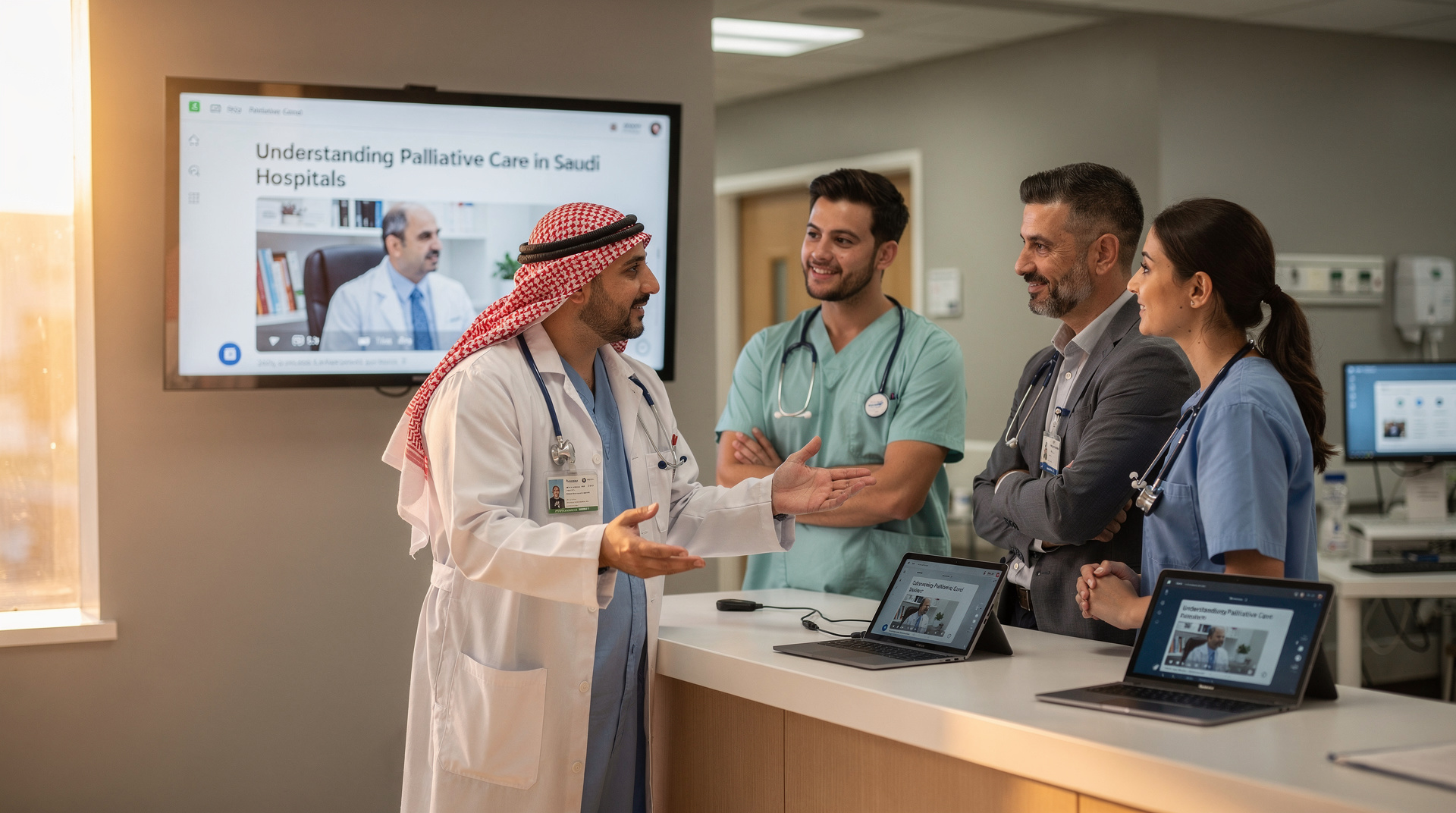
Patient and Family Support
Emotional and Psychological Support
Emotional support forms a crucial component of palliative care services in Saudi hospitals. Licensed counselors and psychologists provide individual and family therapy services designed to address anxiety, depression, and grief associated with serious illness.
Group support programs connect patients and families facing similar challenges. These programs provide opportunities for sharing experiences, learning coping strategies, and building supportive relationships within culturally appropriate settings that respect Saudi social norms.
Bereavement support continues after patient death, helping families process grief and adjust to loss. Saudi hospitals typically offer counseling services, memorial programs, and ongoing support groups designed to assist families through the mourning process.
Spiritual Care
Islamic spiritual care integration distinguishes Saudi hospital palliative care programs from secular medical approaches. Chaplains work closely with medical teams to ensure religious needs are met while supporting families through spiritually challenging times.
Prayer accommodations, religious observance support, and Islamic guidance help patients and families maintain spiritual connections during illness. Hospital facilities include prayer spaces, religious materials, and scheduling flexibility for religious obligations.
End-of-life spiritual preparation receives special attention in Saudi palliative care programs. Religious leaders help patients and families understand Islamic perspectives on death, afterlife preparation, and spiritual comfort during transition periods.
The Future of Palliative Care in Saudi Arabia
Advancements and Innovations
Research initiatives in Saudi hospitals are advancing palliative care knowledge and practices. Clinical trials, outcome studies, and quality improvement research contribute to evidence-based care while considering cultural and religious factors unique to Saudi populations.
Technology integration continues expanding palliative care capabilities. Electronic symptom monitoring, mobile health applications, and artificial intelligence tools help healthcare teams provide more personalized and responsive care for seriously ill patients.
Government and Policy Support
Saudi Arabia’s healthcare transformation includes significant investments in palliative care infrastructure. Government policies increasingly recognize palliative care as essential healthcare service requiring dedicated funding, training, and quality standards.
Professional certification programs for palliative care specialists are expanding under government support. These initiatives ensure consistent quality standards while building specialized workforce capacity across the Kingdom’s healthcare system.
Tipp: Healthcare professionals interested in palliative care specialization can access government-funded training programs through the Saudi Commission for Health Specialties.
The future of saudi hospital palliative care looks promising with continued investment in training, technology, and culturally sensitive care delivery. As healthcare professionals gain expertise and public awareness increases, more patients and families will benefit from comprehensive palliative care services that honor both medical excellence and cultural values.
— Mit Informationen von Saudi Ministry of Health, King Faisal Specialist Hospital, and King Abdulaziz Medical City palliative care specialists
